
Flowdash
Nick Gervasi and Omar Skalli, co-founders of Flowdash, hired me to work on Flowdash web app as a freelance product designer. They explained to me all the problems that they want the app to solve, based on their observations of how ops teams struggle to build internal tools for business processes, and based on Flowdash's mission of making employees happy by providing them a way to build tools for how they work and what their business processes require.
I started by writing all the things I'd suggest changing in their current design, and then they asked me to go forth and start redesigning the web app based on these notes and generally how I think the design should be. Over the next 4 months, I'd show new design progress and changes every day via a call with Nick and Omar, in which they'd provide their feedback about designs, and explain the next design problems to focus on, so that we could keep moving fast and focus design efforts on where they're most needed, fixing the most important design problems as they come up, and refining and polishing designs only when there's time for it.
After 4 months, entire web app was redesigned (it was made a lot faster and easier to use, and a lot more minimalistic), and several entire new features were included. I used Figma to design, and I only created high-fidelity mockups throughout the whole process, because I find it faster to move through design process that way, as I have the ability to use all the available means to solve usability problems (exact icons, colors, available space for text and other elements, etc.) and more time is spent on aesthetics, because with each design or set of changes I suggest, I get to spend more time on aesthetics in the way of it, without getting slowed down. Over the years, I have gotten also really fast at creating high-fidelity mockups in Figma, so I find it faster to just work on high-fidelity mockups all the time I spend designing.
This is the design of the Flowdash web app that was approved by Nick and Omar, which they went on to build and deliver to users:
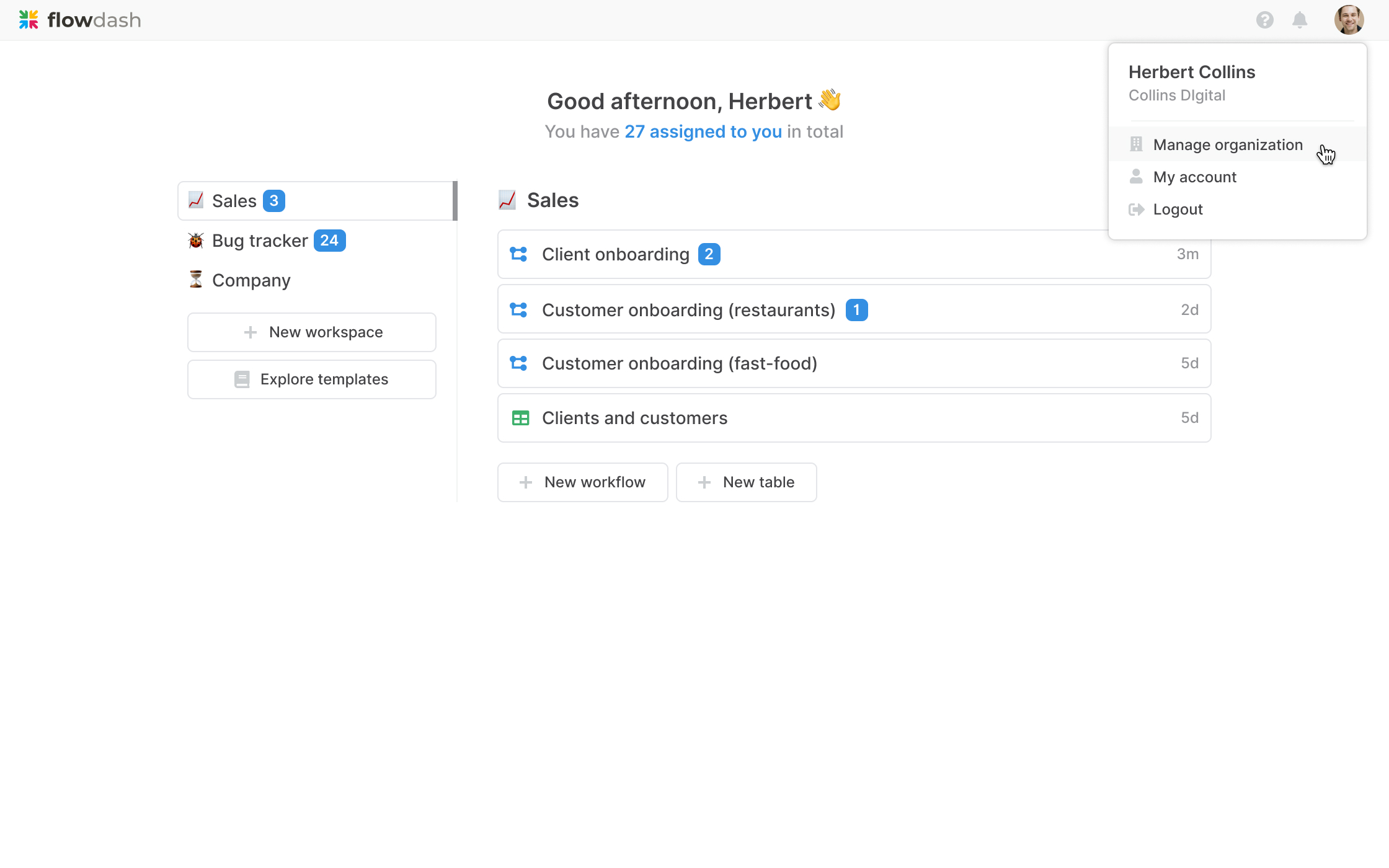
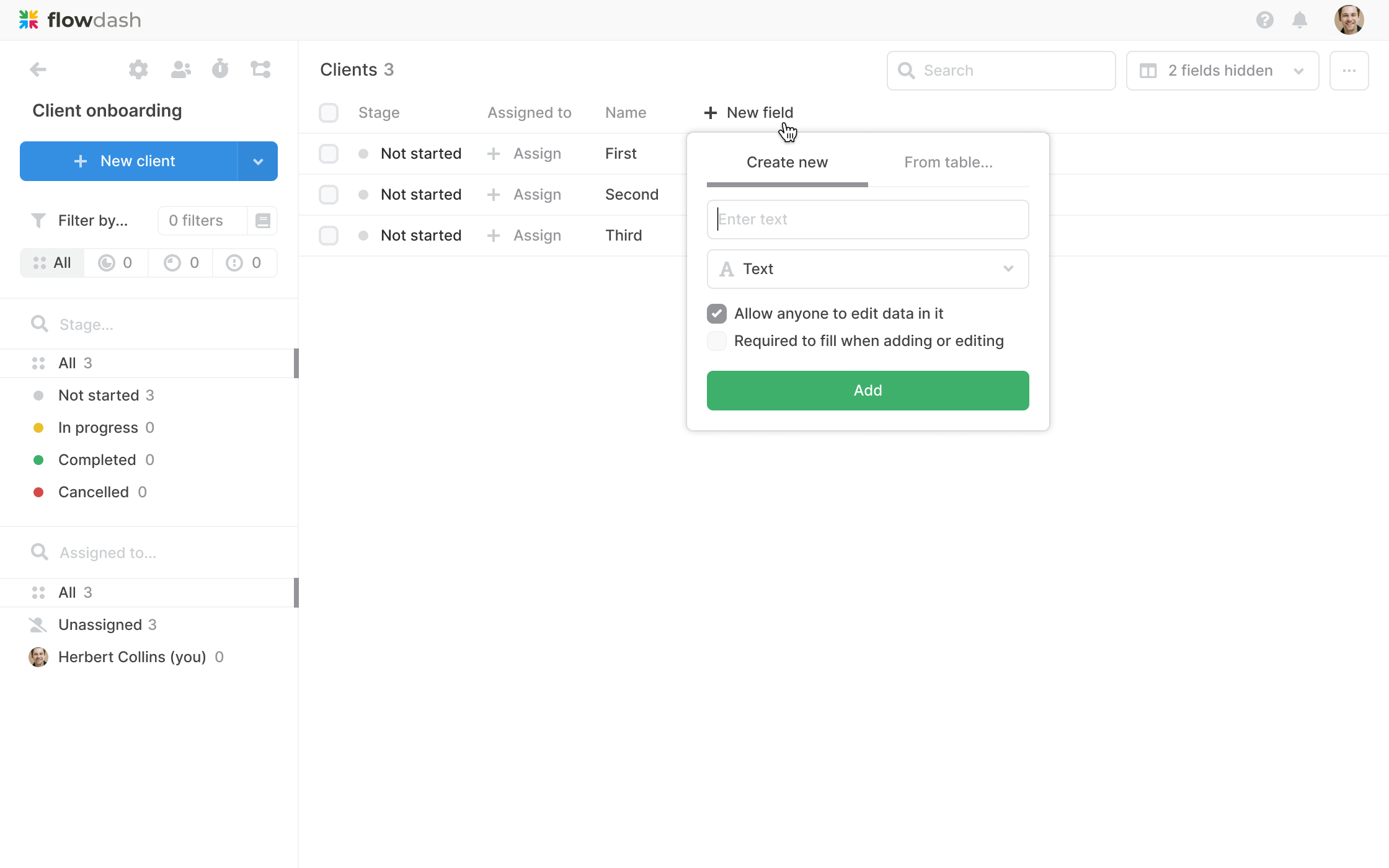
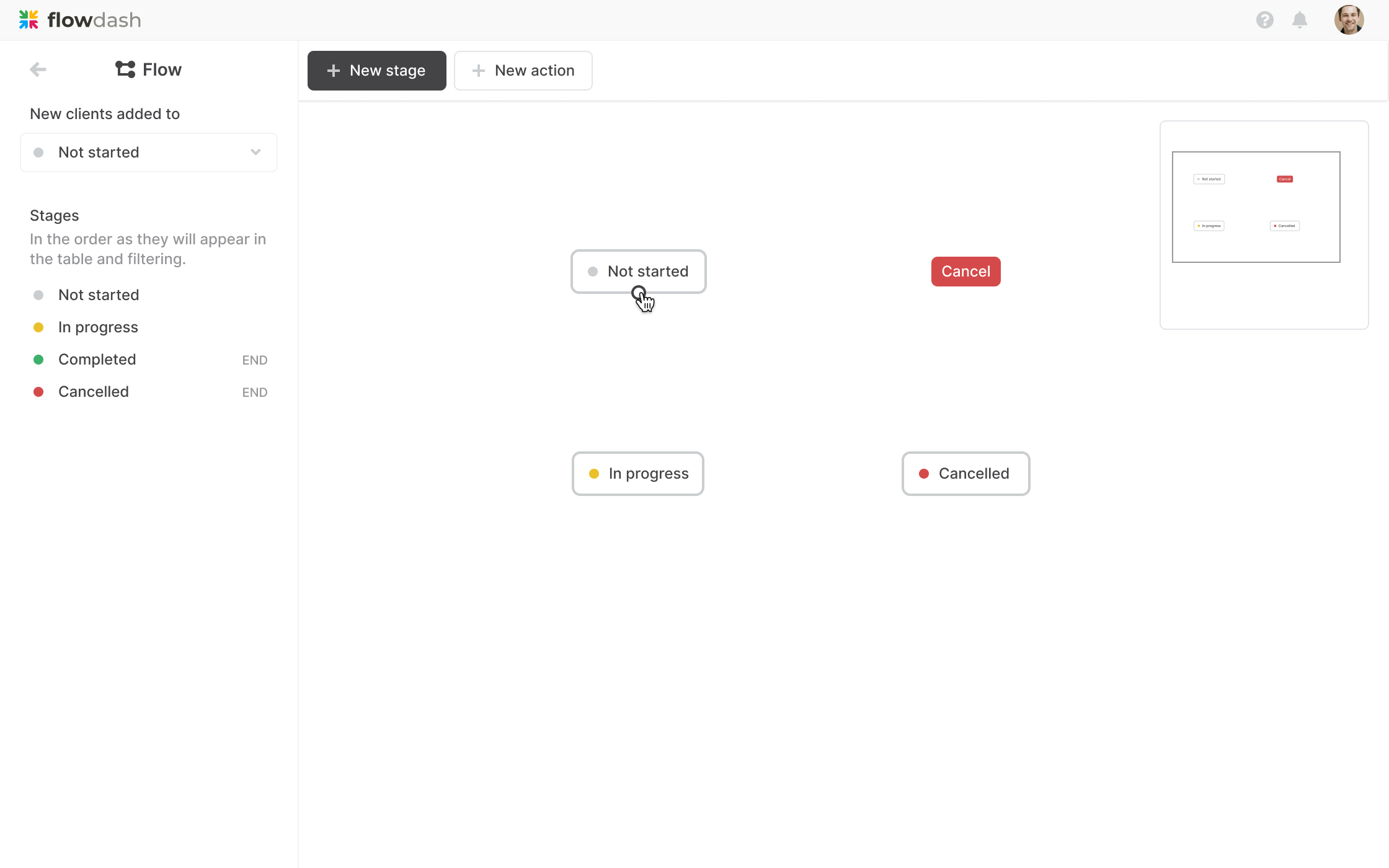
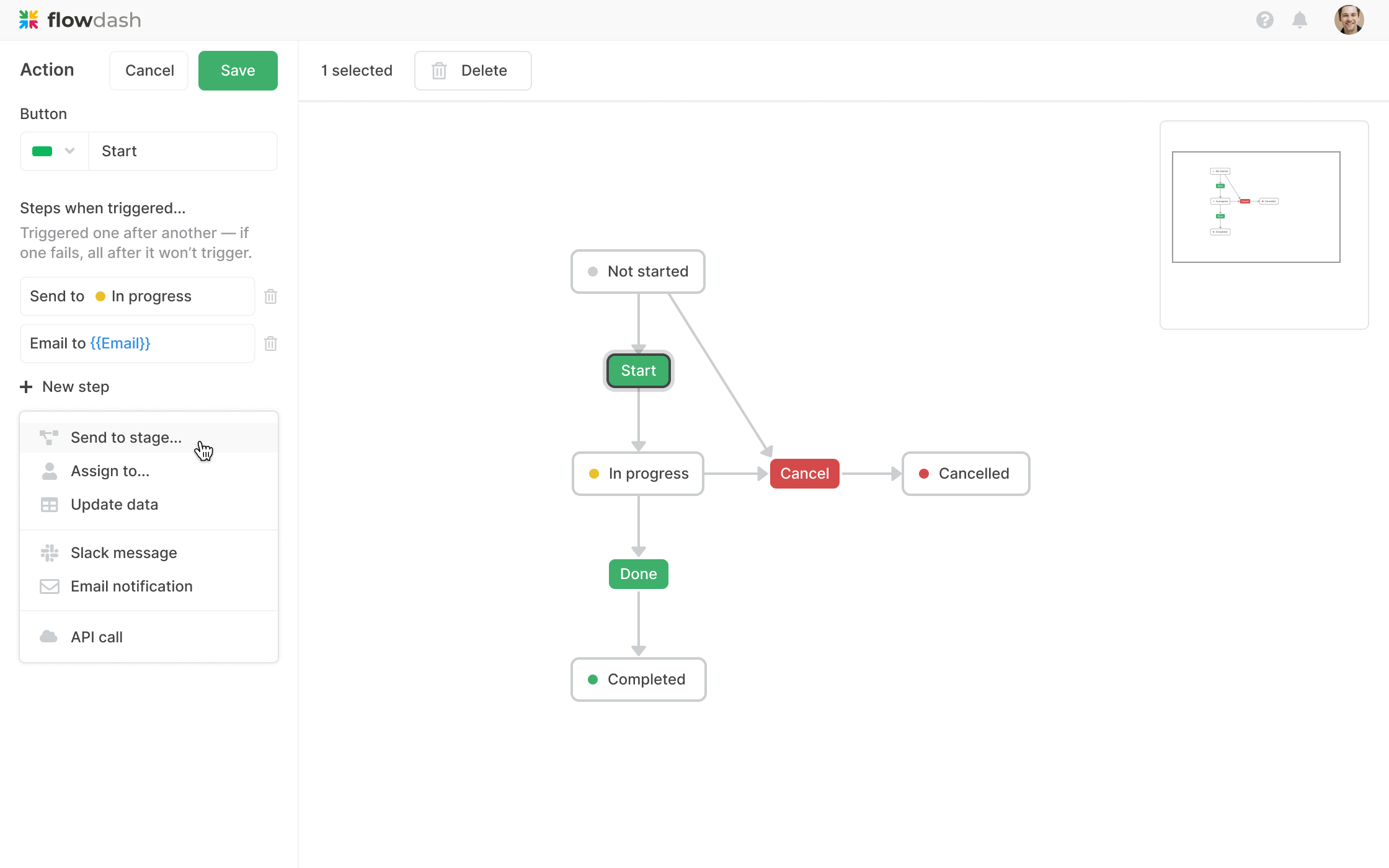
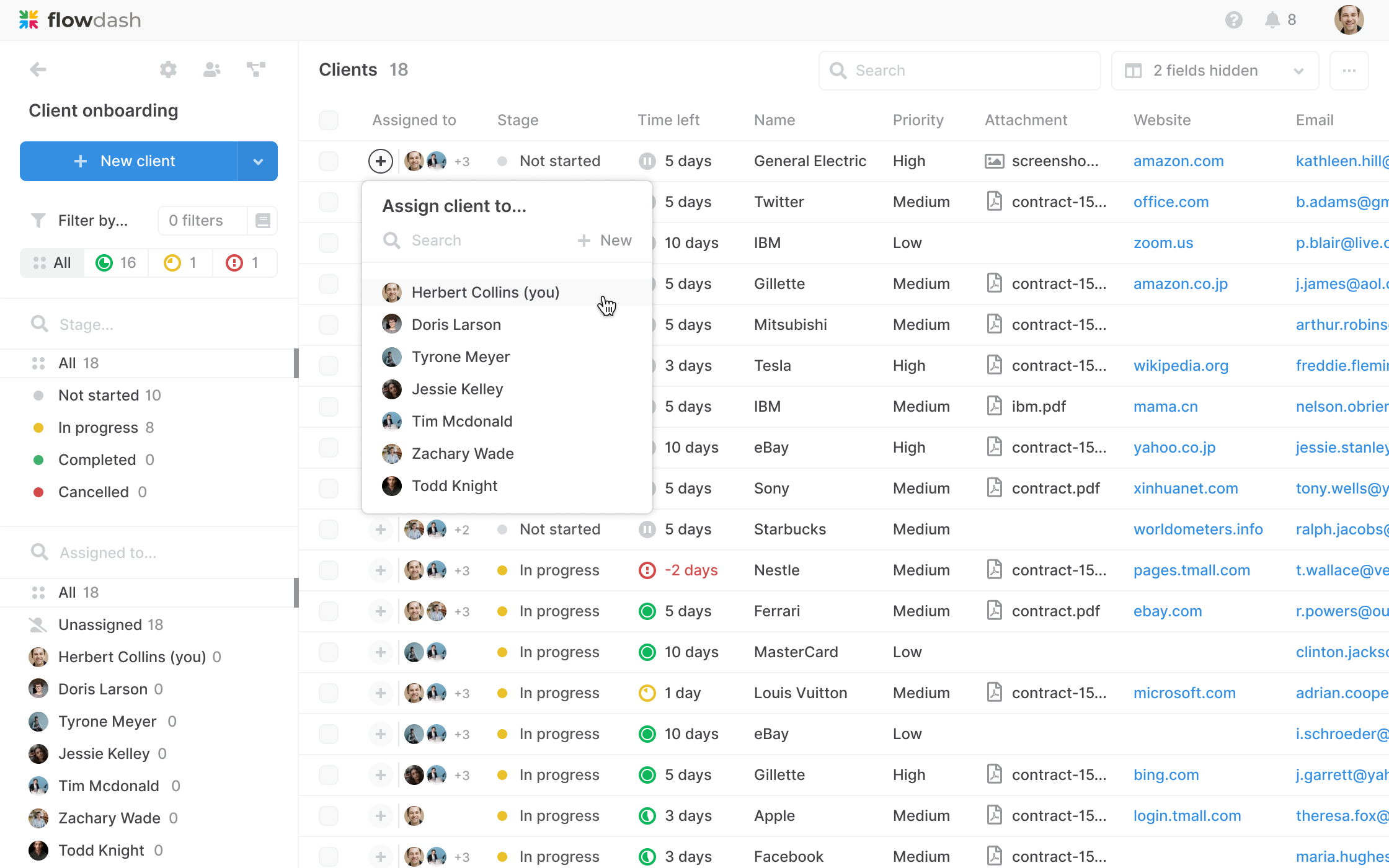
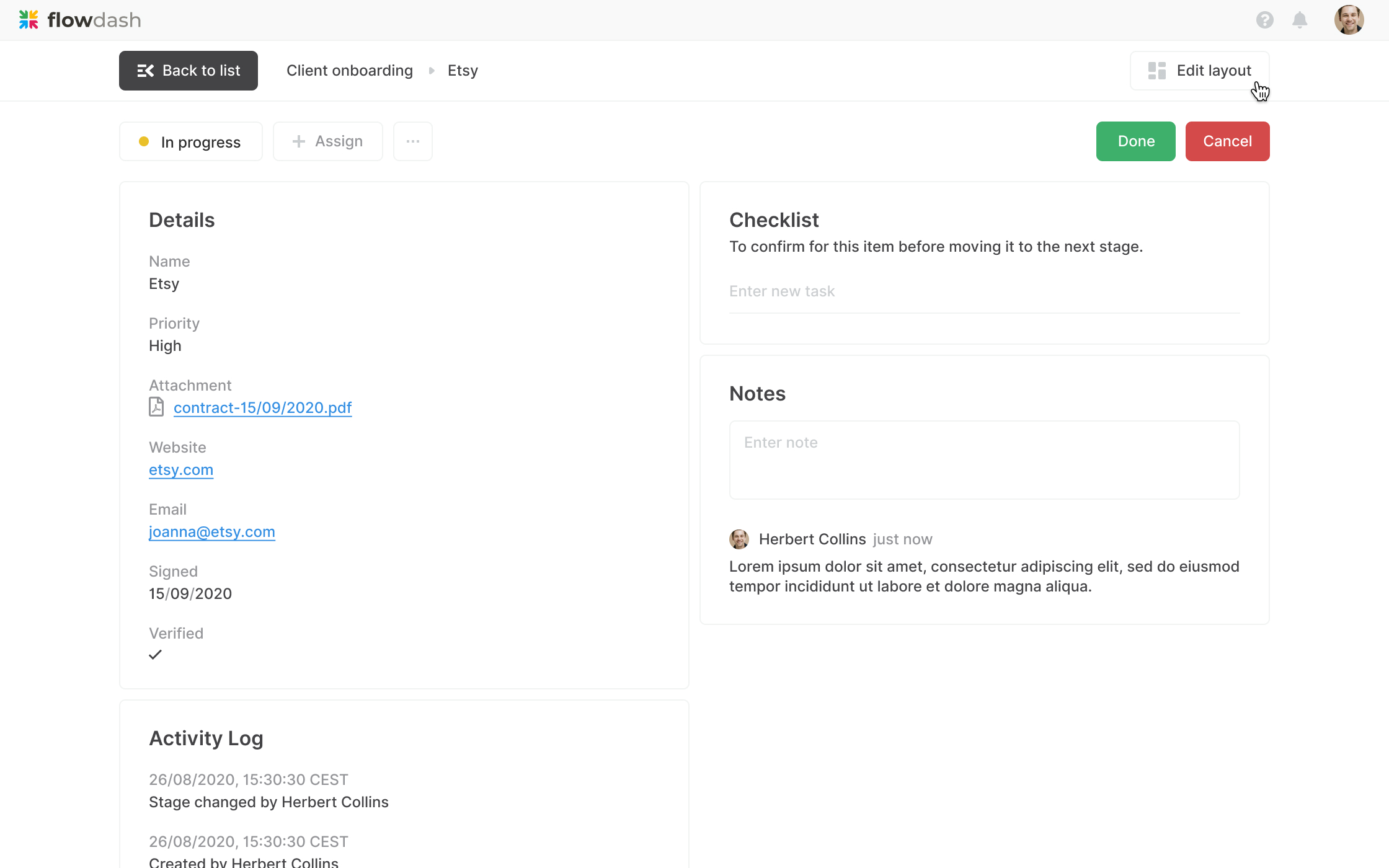
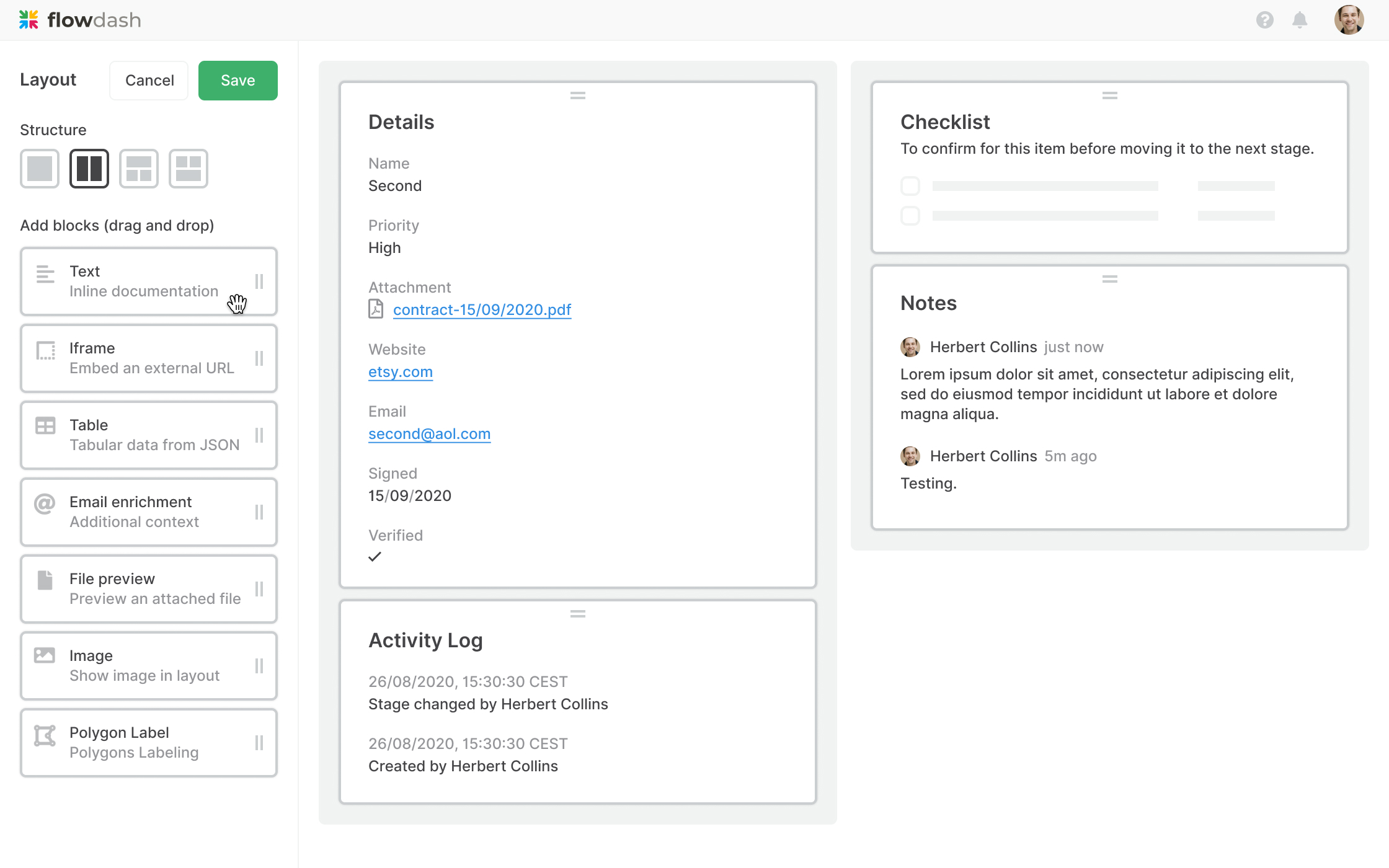
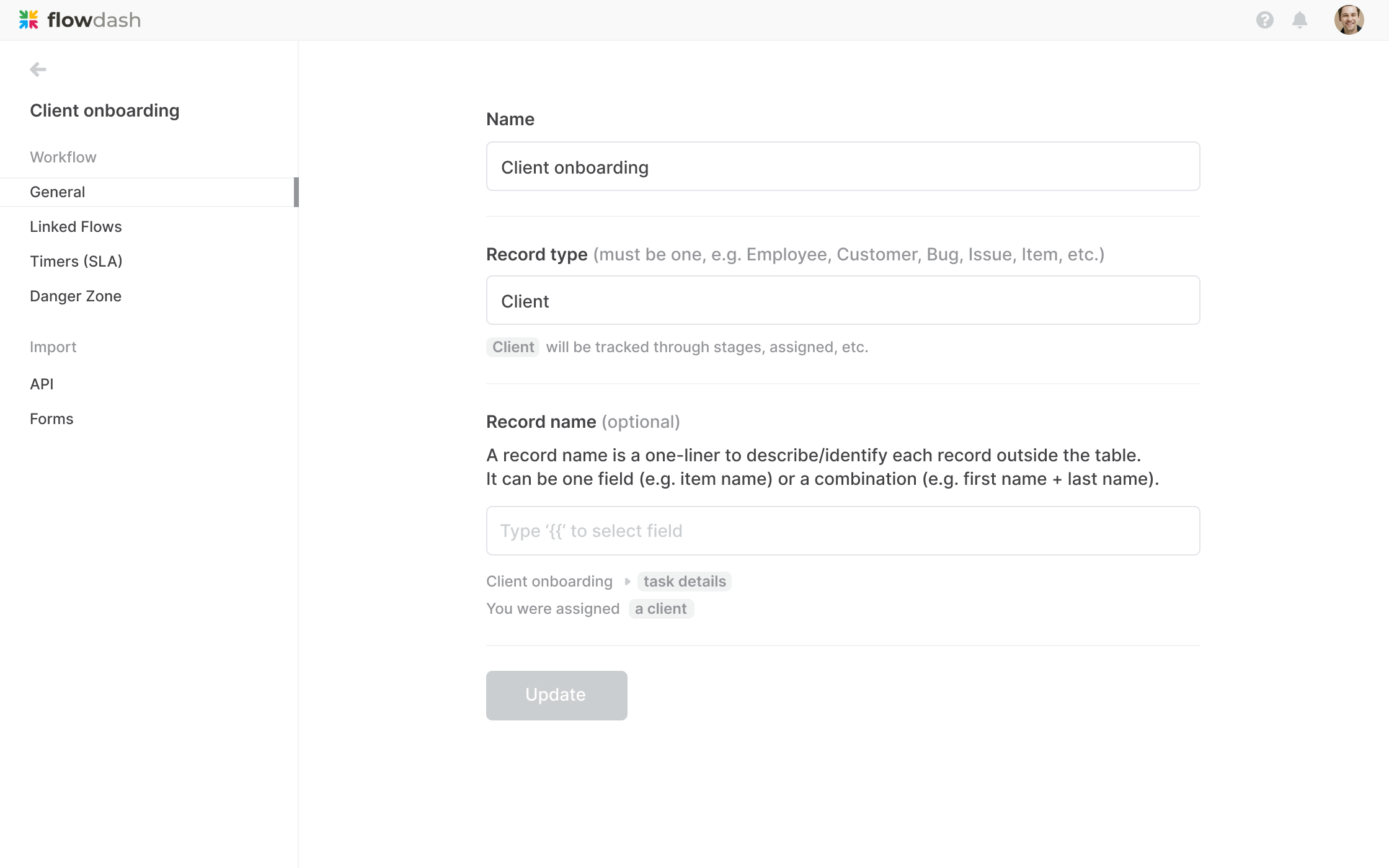
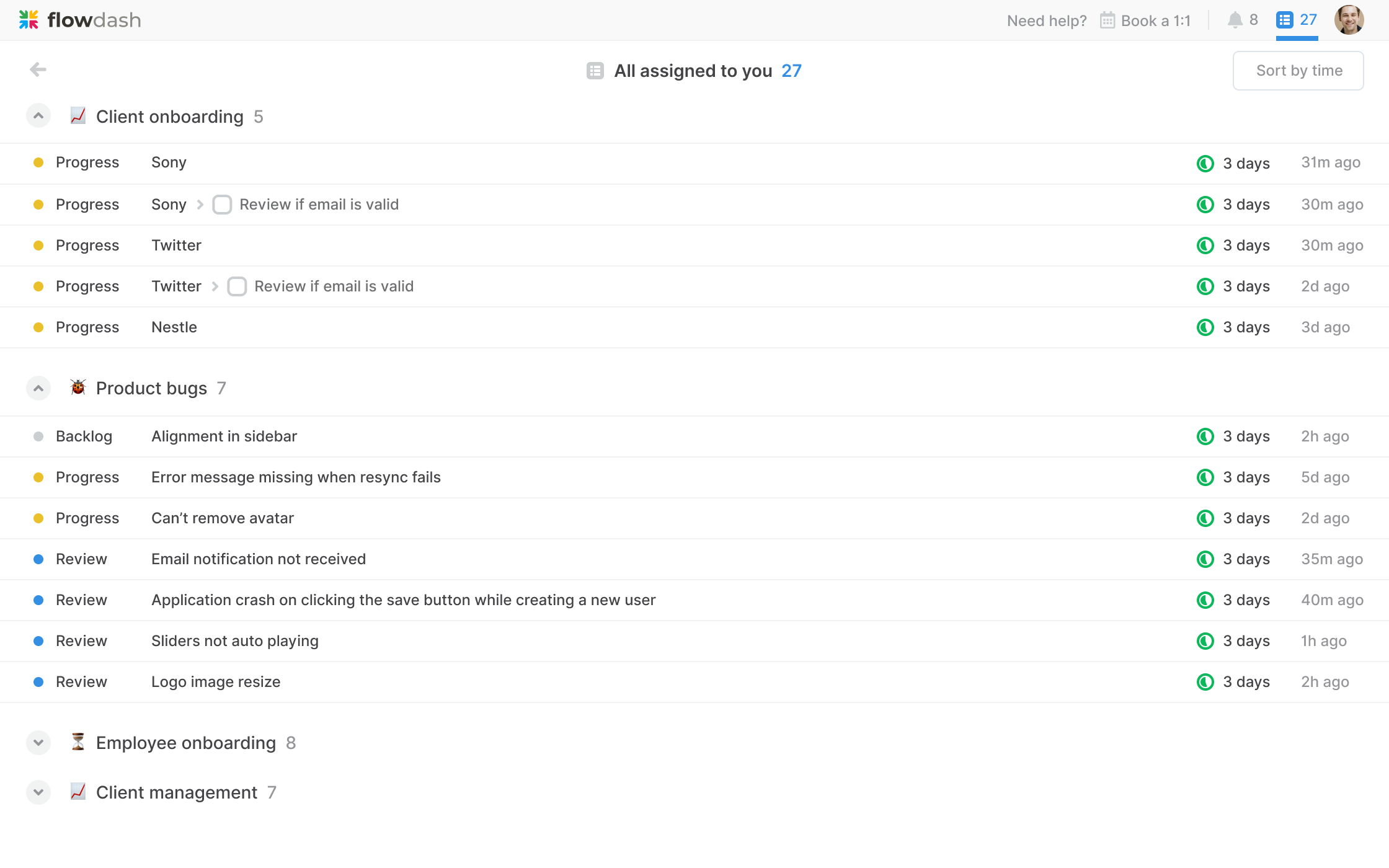
That version of Flowdash became #1 product of the month on ProductHunt. I stopped working with Flowdash after 4 months because I had accepted an offer to join another company where I was planning to work on-site, while for Flowdash I was only able to work remotely.
About 2 years after that design was completed and built, Flowdash was acquired by Notion.
Go back